
How Window Replacement Works in Dayton
The seven steps from first request to final walk-through, and what to check at each one, so you know what a good quote and a good install day look like.
Get Free Quotes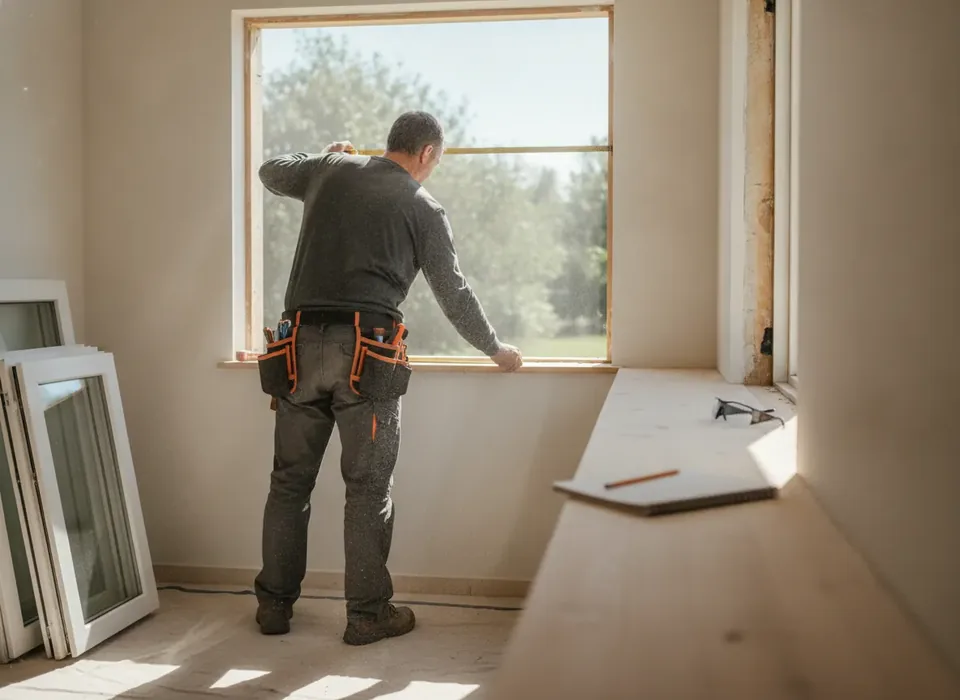
Before the steps: who does what
Dayton Window Replacement Pros is a free matching service, not a window company. It doesn't measure, sell, order or install windows. The steps below describe what independent window installation companies in the Dayton area typically do, so you can ask the right questions and spot a quote that leaves something out.
Window installation in Dayton, Ohio has a few local wrinkles: a large share of homes built before 1978, 13 city historic districts with their own approval step, and building departments that differ between Dayton, Kettering and the county-run townships. A good installer handles all of that before the first window comes out.
The seven steps
1. Request quotes
You describe your windows through the form or by phone: how many, which rooms, roughly how old the house is and what's wrong. Independent window installation companies that serve your area receive the request and contact you to set up a visit. Dayton Window Replacement Pros does not set their schedules or prices.
2. In-home measure and inspection
A representative measures each opening and looks at the condition of the frames, sills, exterior trim and interior casing. They should note whether the house was built before 1978, whether it sits in a historic district, which windows need egress sizing, and whether the frames are sound enough for insert replacement or need full-frame work.
3. Written quotes you can compare
Ask for every quote in writing and compare the same items: frame material and window line, glass package (low-E, gas fill, double or triple pane), insert or full-frame installation, interior and exterior trim, how rot is priced, lead-safe work practices, disposal, permit or Certificate of Appropriateness paperwork, and the manufacturer and labor warranty terms. Ask for proof of insurance and EPA Lead-Safe Certified Firm status on pre-1978 homes.
4. Signing and the three-day cancel window
If you sign at home, Ohio law (ORC 1345.22) and the FTC Cooling-Off Rule generally give you until midnight of the third business day to cancel in writing. The contract should include a cancellation notice. Jobs over $25,000 also fall under Ohio's Home Construction Service Suppliers Act (ORC 4722), which calls for a written contract with specific terms.
5. Final measure and order lead time
Most replacement windows are made to order, so many installers send someone back for a final, precise measure before ordering. There is then a wait while the windows are built and delivered. Lead times vary by manufacturer and season; ask each installer for theirs in writing rather than relying on a verbal estimate.
6. Installation day
The crew protects floors and furniture, removes the old sash or frame, sets and shims the new window, insulates and seals the gaps, and installs interior and exterior trim. In pre-1978 homes, a lead-safe firm sets up containment and cleans and verifies the work area. Permits, if your jurisdiction needs one, should already be in hand.
7. Final walk-through
Before the final payment, walk every window with the installer. Open, close, lock and tilt each sash. Check caulk lines, trim, screens and cleanup, and look for scratches or damaged glass. Get the manufacturer warranty registration, the labor warranty in writing and any permit sign-off.
Insert or full-frame: decided at the measure
An insert (pocket) replacement fits a new window inside the existing frame. It leaves interior trim and plaster mostly undisturbed and is usually quicker. The trade-off is a slightly smaller glass area. Full-frame replacement removes the old frame down to the rough opening, which lets the installer fix rot, flash the opening properly and restore the full glass size. It costs more and takes longer per opening.
In Dayton's older housing, the answer often differs window by window. Ask each installer which method they plan for each opening and why. More in full-frame vs. insert replacement.
Permits and approvals
Same-size replacements usually don't need a building permit, but changing an opening or adding or altering an egress window does, and historic-district homes need a Certificate of Appropriateness. Your installer should confirm with your building department: Dayton Building Inspection, the City of Kettering, or Montgomery County Building Regulations for most townships. In Dayton's historic districts, matching replacements generally go through the Historic Preservation Officer, and changes to window openings go to the Landmark Commission. See egress windows and historic windows.
Lead-safe work in older homes
If your home was built before 1978, federal law requires the installer to be an EPA Lead-Safe Certified Firm. Window replacement is not exempt as a minor repair, because pulling sashes and stops disturbs painted surfaces. Expect plastic sheeting, a cleanup and a cleaning verification step. Details in lead-safe window replacement for pre-1978 homes.
If you sign at your kitchen table
If you sign a window contract at home, Ohio law (ORC 1345.22) and the FTC Cooling-Off Rule generally give you until midnight of the third business day to cancel, in writing. Saturdays count as business days under the FTC rule. The seller is supposed to give you a cancellation notice. A salesperson who pushes a "sign today" price is a red flag, not a deal.
Ready to start? Request free quotes or check typical prices in the cost guide.
Drafty, foggy or stuck windows? Get free quotes.
Describe your windows once and independent Dayton-area installers can reply with no-obligation quotes.