
Do You Need a Permit to Replace Windows in Dayton, Ohio?
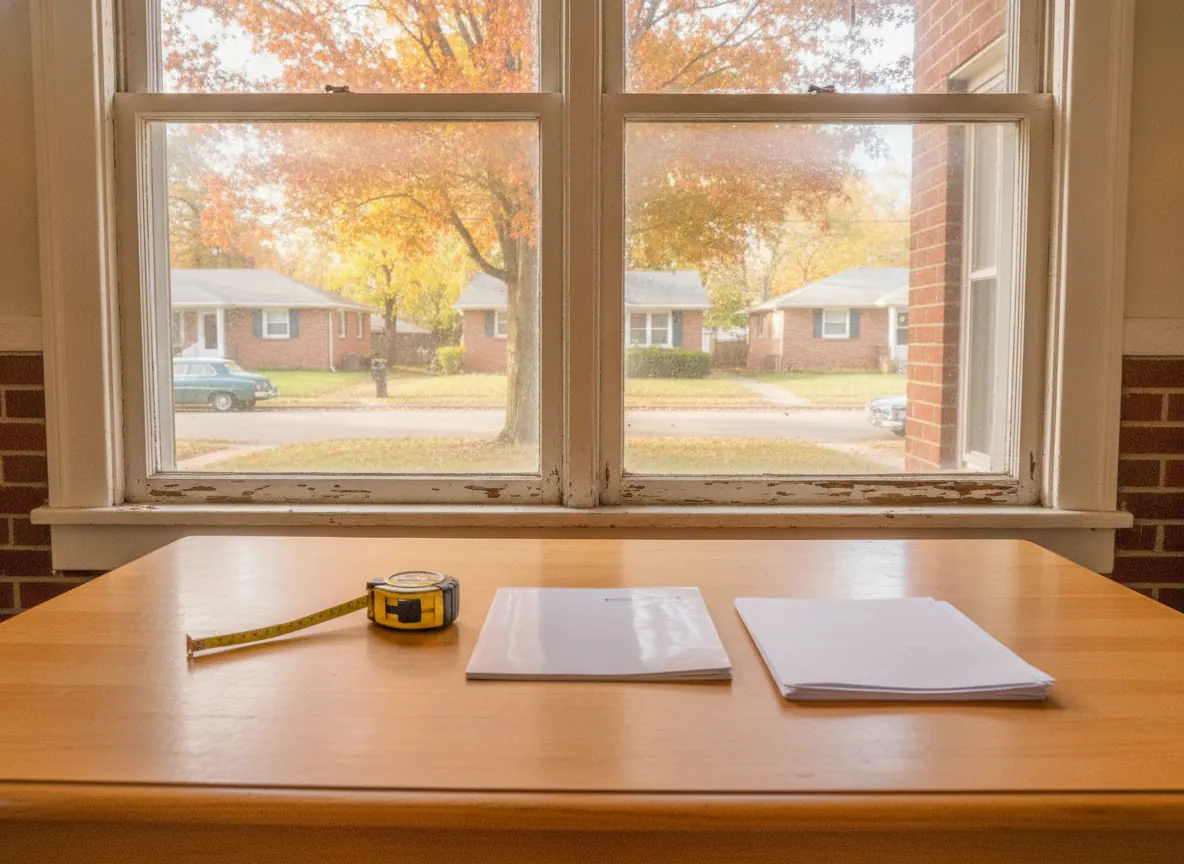
Do you need a permit to replace windows in Dayton? For a same-size swap, usually not. The Residential Code of Ohio treats like-for-like window replacement much like other minor work, and it even allows small reductions in glass size when a thicker frame material goes in. You will likely need building approval if the job cuts or enlarges an opening, changes a header, or adds or alters a basement egress window. If the house sits in one of the City of Dayton’s 13 local historic districts, you also need a Certificate of Appropriateness before work starts. Your installer should confirm the details with the building department that covers your address.
What the Ohio residential code says about window replacement permits
The Residential Code of Ohio (OAC 4101:8-1-01, in effect since July 2019) applies across the Miami Valley. Four parts of it matter for windows:
- 105.1: approval is required to construct, enlarge, alter or repair a residential building.
- 102.10: lists work that is exempt from approval. Window replacement is not on that list; only window awnings up to 54 inches are.
- 102.10.2: minor repairs can go ahead without an application, but not if they cut away a wall, cut or remove a structural beam or load-bearing support, or remove or change a required means of egress.
- 113.5.1: minor reductions in the clear opening of replacement windows that come from using different materials are allowed.
Put together, a vinyl insert set into the old wood frame of a 1950s Kettering ranch is the kind of job many Ohio jurisdictions handle without a permit. Widening a dining-room opening for a new unit is not. We could not find an official City of Dayton statement on same-size window permits, so treat this as the general reading of the code, not a promise.
Window jobs that usually need building approval
- Cutting a new window opening or making an existing one larger.
- Changing or adding a header over an opening.
- Adding a basement egress window, or changing the size of one that serves a bedroom.
- Any work that removes or changes a required way out of a sleeping room.
Egress is the most common trigger. Under the model residential code, an egress window typically needs at least 5.7 square feet of net clear opening (5.0 at grade level), at least 24 inches high and 20 inches wide, with the sill no more than 44 inches above the floor, plus a window well of at least 9 square feet. Turning a small basement window in a Huber Heights brick home into a code-size egress unit means cutting into the foundation, so plan on approval. Our egress and basement windows page covers sizing and cost.
Which building department covers your Dayton-area address
There is no single permit office for the metro. Where your house sits decides who answers the question:
| Where you live | Who to ask |
|---|---|
| City of Dayton | Building Inspection (Building Services), 371 W. Second St. |
| Kettering | Kettering runs its own residential permits |
| Washington Township and other townships in Montgomery County | Montgomery County Building Regulations, which also serves some contracting villages and cities |
| Centerville, Oakwood, Miamisburg, Huber Heights | Start with the city; it will tell you if the county handles residential review |
| Beavercreek, Fairborn, Xenia (Greene County) | Start with the city building or zoning office |
Montgomery County’s building FAQ also notes that Dayton, Centerville and Kettering may have their own contractor registration rules, and says to contact the jurisdiction where the work happens. Ohio has no statewide license for residential window installers, so ask each installer for proof of insurance, proof of EPA lead-safe firm certification for pre-1978 homes, and any local registration. Our window replacement process page shows where the permit check fits between the measure and install day.
Historic districts: a separate approval from the permit
A building permit and historic approval are different things. A same-size window in St. Anne’s Hill may need no building permit and still need a Certificate of Appropriateness (COA). Dayton’s local districts include Five Oaks, Grafton Hill, Historic Inner East, McPherson, Old Dayton View, Oregon, South Park, Wolf Creek and Wright-Dunbar.
- Minor COA: replacement windows that match the existing design. The city says this usually takes a call or email to the Historic Preservation Officer, and there is no fee.
- Major COA: adding or removing window openings or changing the window layout. The Landmark Commission reviews it.
- HD-2 zoning: the most restrictive level; any exterior work needs a COA.
Don’t assume vinyl will be approved in a Dayton district; ask the Historic Preservation Officer before anything is ordered. Centerville has its own process: its Board of Architectural Review covers the Architectural Preservation District, and in April 2023 it approved replacement windows on the condition that each follow the existing grid pattern. More detail is in historic district window replacement in Dayton.
Lead-safe rules apply with or without a permit
About 85 percent of homes in the city of Dayton were built before 1980, and in Oakwood the median home dates to 1938. If your house was built before 1978, federal law requires the company doing the work to hold EPA lead-safe firm certification under the Renovation, Repair and Painting (RRP) rule. Window replacement does not count as minor repair under that rule, and because Ohio is not an RRP-authorized state, the EPA runs the program here. A permit question and a lead question are separate, so ask about both. See lead-safe window replacement in pre-1978 homes.
Who handles the permit on a window job?
Make it part of the quote. Ask each installer whether your job needs building approval or a COA, who will check with the office that covers your address, and whether any fee is included. Write the answer on the quote so you can compare it across companies, as our guide to comparing window quotes suggests. Be wary of anyone who promises approval; the building department or Historic Preservation Officer decides.
If you’re planning new windows in Dayton or the Miami Valley, describe the job once on the free quote form. Independent local window companies will reply with quotes, and you can ask each one how they handle permits for your street. Typical published prices are in the Dayton window replacement cost guide.
Questions people ask
Do I need a permit to replace windows in Dayton if they’re the same size?
Usually not. Under the Residential Code of Ohio, same-size, like-for-like replacement is generally handled as minor work in many jurisdictions, and small glass-size reductions from a different frame material are allowed. No official City of Dayton statement on this was found, so have your installer confirm with Dayton Building Inspection.
Does adding a basement egress window need a permit?
Expect it to. Cutting or enlarging an opening and adding or altering a required egress window are outside the code’s minor-repair allowance, so building approval is normally needed. Your installer and building department confirm the exact Ohio size rules.
Is a Certificate of Appropriateness the same as a building permit?
No. A Certificate of Appropriateness is historic-district design approval from the City of Dayton. A like-for-like window job in a local historic district can need a COA even when no building permit is required. Matching replacements are a minor COA with no fee; changing openings goes to the Landmark Commission.